
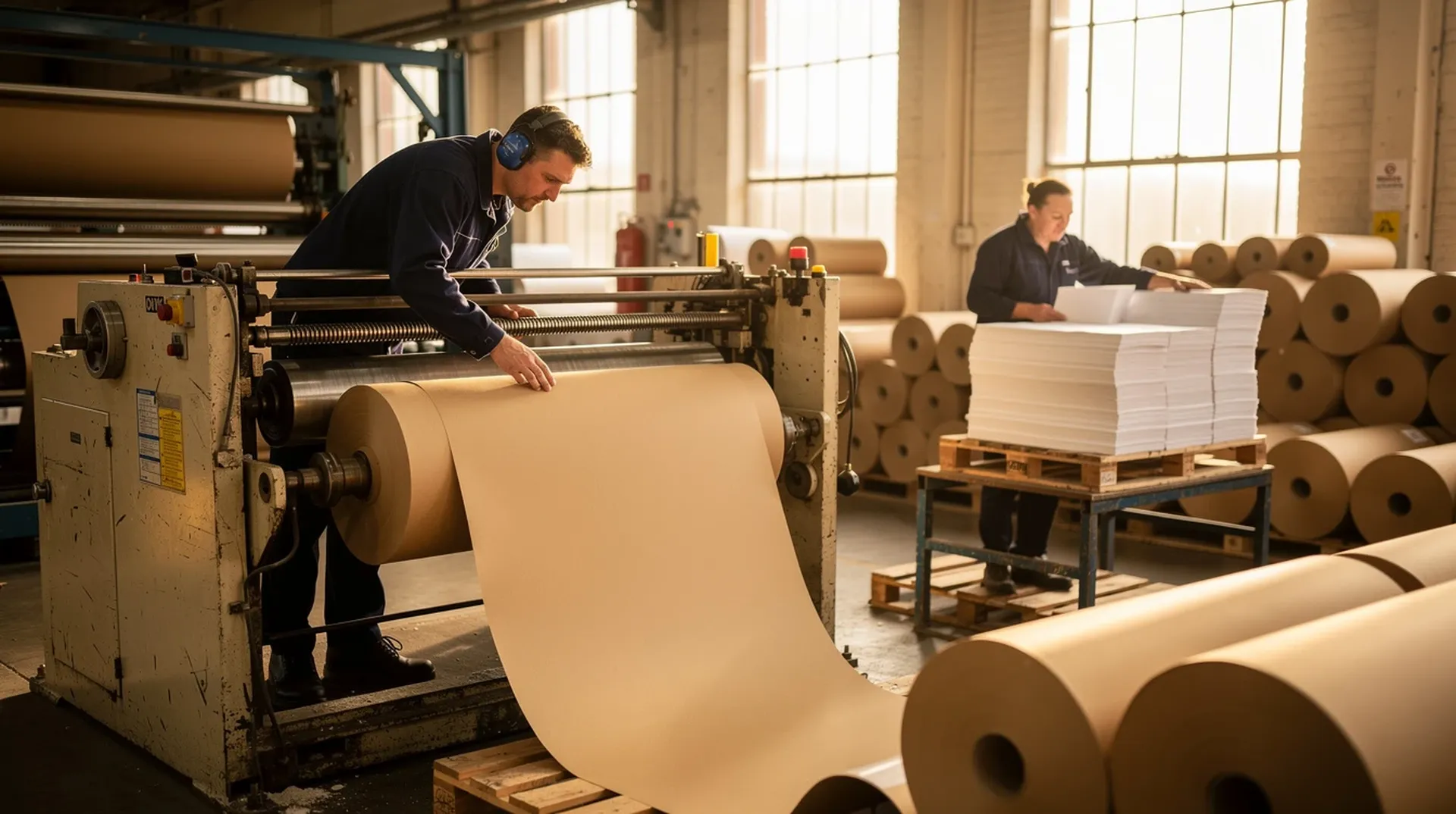
From Concept to Packaging: Solving Real Business Challenges with Specialty Converted Paper
Introduction: When Standard Packaging Falls Short
Every business eventually confronts a packaging problem that off-the-shelf solutions cannot solve. A fishmonger watches customers hesitate at soggy-bottomed parcels. A cosmetics brand receives returns due to mould contamination during shipping. A precision engineering firm calculates the true cost of corrosion damage to exported components. A fast-food operator struggles to keep sandwiches warm without creating condensation.
These aren't abstract challenges-they're the daily realities that determine whether products reach customers in optimal condition, whether brands build or lose trust, and whether margins survive the hidden costs of inadequate packaging.
Specialty converted paper addresses these challenges through precise engineering of paper properties: grease resistance, moisture barriers, anti-corrosion treatments, mould inhibition, thermal performance, and printability. Understanding which properties matter for your specific application-and why-is the foundation of effective packaging decisions.
This guide examines how businesses across five distinct sectors approach packaging challenges, the technical considerations that drive material selection, and the real-world trade-offs involved in choosing converted paper solutions.
Understanding Paper Converting: What It Actually Means
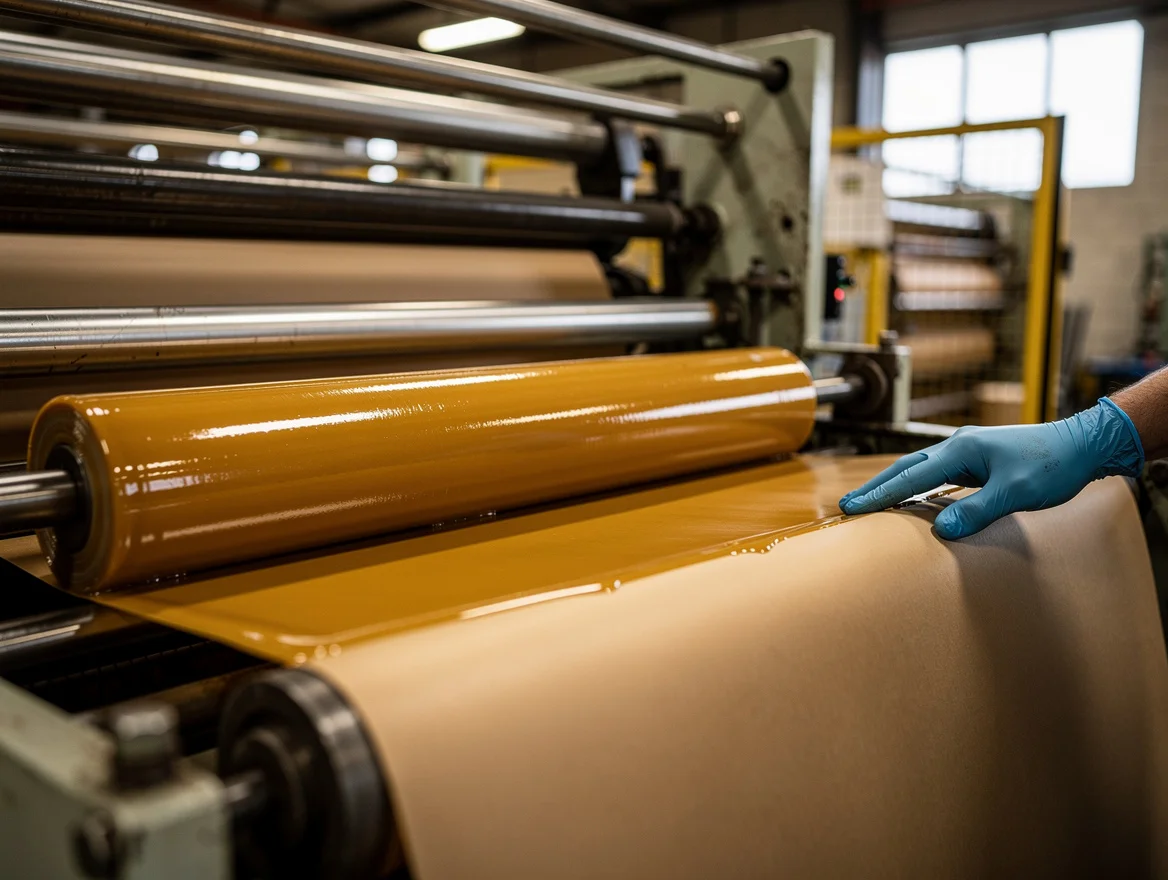
Paper converting transforms base paper stocks into functional packaging materials through various processes:
Coating Applications
Wax coating for moisture and grease resistance
Polyethylene lamination for barrier properties and heat-sealing capability
Silicone treatment for release properties (preventing adhesion)
Anti-corrosion (VCI) treatments for metal protection
Mould-inhibitor applications for hygiene and shelf-life extension
Mechanical Processing
Sheeting to precise dimensions
Slitting into rolls of specific widths
Die-cutting into custom shapes
Creeping for stretch and cushioning properties
Bag making (flat and gusseted configurations)
Printing and Finishing
Flexographic printing (single to five colours)
Pantone colour matching for brand consistency
Double-sided printing capability
Full wash printing for complete coverage
The critical insight: converting isn't about making paper "better" in general terms. Each treatment optimises specific properties, often at the expense of others. Wax coating improves grease resistance but reduces printability. Polyethylene lamination creates excellent barriers but affects recyclability. Understanding these trade-offs is essential for specification.
Sector Analysis: Five Industries, Five Different Challenges

Food Service: Safety, Freshness, and Speed
The food service sector presents perhaps the most demanding combination of requirements: direct food contact necessitates regulatory compliance, freshness expectations are measured in hours, and high-volume operations demand packaging that performs quickly under pressure.
Primary Challenges:
Grease and moisture management without compromising food safety
Temperature retention for hot items
Condensation prevention that causes sogginess
Regulatory compliance for food-contact materials
Speed of use in high-throughput environments
Technical Requirements:
| Application | Key Properties | Typical Specifications |
|---|---|---|
| Fish/meat wrapping | Wet strength, grease resistance, breathability | Waxed kraft 40-60gsm, bonewrap |
| Sandwich wrap | Grease barrier, printability, flexibility | Greaseproof 35-45gsm |
| Hot food bags | Heat retention, grease resistance, structural integrity | Waxed kraft bags, gusseted construction |
| Deli interleaving | Release properties, food safety | Silicone-coated greaseproof |
The fish and butcher shop segment deserves particular attention because wet protein handling creates unique challenges. Standard butcher paper fails when blood or fish fluids accumulate-the paper weakens, stains show through to the customer-facing side, and professional presentation suffers. Wet-strength papers with appropriate grease barriers solve this, but specification must account for the specific proteins handled and typical hold times.
Deep Dive: Fish and Butcher Shop Packaging: Complete Technical Guide
Fast food operations face different pressures. Speed of service means packaging must be intuitive to use, and the thermal performance of wrapped items directly affects customer satisfaction. A burger that arrives cold or soggy generates complaints; one that's warm with a crisp bun generates repeat business.
Deep Dive: Fast Food Packaging Innovation: Balancing Speed, Quality, and Sustainability
Industrial: Protecting High-Value Components
Manufacturing and engineering businesses face corrosion and contamination challenges that can dwarf the cost of the packaging itself. A corroded bearing returned from overseas shipment might cost £15 for the component but £800 for the rework, re-shipping, and customer relationship damage.
Primary Challenges:
Corrosion prevention during storage and transit
Protection against humidity fluctuations
Compatibility with component materials and finishes
Cost-effectiveness versus oil-based protection methods
Environmental and handling safety
The VCI (Vapour Corrosion Inhibitor) Solution:
VCI papers work by releasing molecular inhibitors that form a protective layer on metal surfaces. Unlike oil-based methods, they're clean, dry, and don't require removal before use. However, effectiveness depends on:
Correct VCI chemistry for the specific metal (ferrous vs multi-metal formulations)
Adequate enclosure to maintain vapour concentration
Appropriate paper weight for mechanical protection during handling
Storage duration requirements
Diamond Anti-Corrosion Papers represent the current state-of-the-art in this sector, offering both multi-metal and ferrous-specific formulations. Selection depends on what you're protecting: steel-only operations can use targeted ferrous formulations, while mixed-metal environments require broader-spectrum protection.
Deep Dive: Industrial Anti-Corrosion VCI Papers: Technical Specification Guide
Cosmetics and Personal Care: Brand Protection Beyond Aesthetics
The cosmetics sector presents a unique combination of functional and perceptual requirements. Products must arrive undamaged, but the unboxing experience also directly shapes brand perception. Mould or contamination issues don't just damage product-they potentially damage health and certainly damage reputation.
Primary Challenges:
Mould prevention in humid storage and shipping conditions
Product contamination avoidance
Premium presentation aligned with brand positioning
Regulatory compliance for contact with personal care products
Shelf-life protection
Technical Requirements for Mould-Inhibited Papers:
Mould-inhibited papers use treatments that prevent fungal growth during storage and transit. This is particularly critical for:
Products shipping to or through humid climates
Warehouse storage where climate control may be inconsistent
Organic or natural products with shorter inherent shelf lives
Soap and toiletries where moisture introduction is common
“We reduced our cosmetics returns by 23% after switching to mould-inhibited interleaving. The ROI calculation was straightforward-returns cost us £8-12 per unit to process, and the paper cost increase was under £0.15 per unit.”- Sourcing Manager, Premium Skincare Brand
Beyond functional protection, presentation matters enormously in this sector. Printed papers with precise Pantone matching ensure brand colours render accurately. Weight and texture of wrapping materials contribute to perceived value. The tactile experience of tissue paper in a cosmetics box is part of the product experience.
Deep Dive: Luxury Cosmetics Packaging: Mould-Inhibited Paper Solutions
Retail: Building Brand Through Packaging Experience
E-commerce has transformed retail packaging from an afterthought into a brand touchpoint. The unboxing moment-increasingly shared on social media-represents both opportunity and risk. Custom tissue paper, branded wrap, and thoughtful presentation elements signal quality and attention to detail.
Primary Challenges:
Brand differentiation in a competitive market
Creating shareable unboxing experiences
Cost-effective customisation at varying order volumes
Balancing presentation with sustainability expectations
Consistency across product lines and seasons
The Tissue Paper Opportunity:
Custom printed tissue paper offers exceptional brand-building potential at relatively low unit costs. Key considerations:
| Factor | Considerations |
|---|---|
| Paper grade | MF tissue (17gsm) for lightweight elegance; MG tissue (21gsm) for more substantial feel |
| Print coverage | Random-cut designs for economy; 100% coverage for premium impact |
| Colour matching | Pantone specification essential for brand consistency |
| Minimum quantities | Affects cost-effectiveness for smaller operations |
The retail sector also demonstrates how packaging choices cascade through operations. Tissue that tears easily slows packing. Paper that doesn't fold cleanly frustrates staff. Colours that fade or transfer damage products and generate returns. Specification must account for handling realities, not just end presentation.
Deep Dive: Retail Brand Building with Custom Tissue Paper
The Specification Process: Getting It Right

Selecting the right converted paper requires systematic evaluation. The following framework applies across sectors:
1. Define Functional Requirements
Start with what the packaging must actually do:
What substance must it resist? (Grease, moisture, blood, vapour)
What must it protect against? (Corrosion, mould, physical damage)
What environment will it face? (Temperature, humidity, duration)
What regulatory requirements apply? (Food contact, material declarations)
2. Identify Operational Constraints
How will the packaging be used in practice?
Speed requirements (hand-wrapping vs machine application)
Storage conditions (climate-controlled vs ambient)
Staff skill levels and training implications
Integration with existing packaging processes
3. Evaluate Presentation Requirements
What role does the packaging play in customer experience?
Visibility to end customer
Brand representation requirements
Unboxing experience considerations
Secondary use potential (carrier bags, gift wrap)
4. Assess Volume and Cost Structure
Commercial viability depends on matching specification to economics:
Annual volume estimates
Seasonal variation
Minimum order quantities from suppliers
Storage capacity and stock turnover
5. Request Technical Samples
Never specify based on data sheets alone. Test samples under realistic conditions:
Run actual products through your process
Test at temperature/humidity extremes you might encounter
Evaluate staff feedback on handling
Assess customer-facing presentation
Common Specification Mistakes
Learning from others' errors accelerates your own specification process:
Over-specifying: Requesting VCI protection for parts that will be used within days. Specifying heavy-weight papers where lighter grades would perform. Paying for properties you don't need wastes money.
Under-specifying: Assuming any "greaseproof" paper will handle your specific fat content. Using standard kraft for blood-containing products. Choosing based on price when performance requirements aren't met. Failed packaging costs far more than appropriate specification.
Ignoring Operational Reality: Specifying papers that require skills your staff don't have. Choosing formats that don't fit your workflow. Selecting print designs that show every handling mark. Paper that works in the sample room must work on the shop floor.
Neglecting Environmental Context: Using non-moisture-resistant papers in humid warehouse conditions. Shipping mould-susceptible products through tropical transit points without inhibited papers. Storage and transit conditions often exceed controlled-environment assumptions.
Assuming Equivalence: "Greaseproof" means different things from different suppliers. VCI papers have wildly different effectiveness ratings. Testing validates claims; assumptions create risk.
The Sustainability Question

Converted paper packaging exists within an evolving sustainability landscape. Several factors affect environmental positioning:
Inherent Advantages:
Paper is renewable, recyclable, and biodegradable (in base form)
Converting facilities can utilise FSC/PEFC certified stock
Paper production increasingly uses renewable energy
End-of-life options generally exceed plastic alternatives
Treatment Considerations:
Wax coatings may affect recyclability (depends on type and quantity)
Polyethylene lamination impacts recyclability
Some VCI treatments are fully biodegradable; others require assessment
Mould inhibitors vary in environmental profile
Practical Guidance:
Specify recycled content where performance allows
Request material declarations from suppliers
Understand your customers' sustainability expectations
Consider end-of-life pathways in your markets
Evaluate trade-offs honestly rather than assuming "paper = sustainable"
Working with a Paper Converter: What to Expect
The converter relationship differs from standard commodity purchasing. Effective partnerships share these characteristics:
Technical Consultation: Reputable converters don't just take orders-they challenge specifications that won't work and suggest alternatives you haven't considered. This expertise has value.
Sample and Testing Support: Expect to test before committing to volume. Converters should provide samples appropriate to your evaluation needs and support your testing process.
Flexibility on Formats: Converting capability means papers can be supplied in sheets, rolls, bags, or die-cut shapes. Specify the format that serves your operation, not the format that's easiest to supply.
Colour Matching: For printed products, Pantone specification ensures consistency. Converters with proper colour management can match your brand standards precisely.
Realistic Lead Times: Custom converting isn't instant. Plan 2-4 weeks for standard items, longer for complex specifications or new print setups. Build this into your procurement planning.
Minimum Order Considerations: Converting economics require minimum runs. Understand your supplier's thresholds and plan orders to meet them efficiently.
Conclusion: Packaging as Competitive Advantage
The businesses that treat packaging as a strategic function-rather than a cost to minimise-consistently outperform those that don't. Specialty converted paper offers solutions to real problems: products that arrive in better condition, operations that run more efficiently, brands that present more professionally, and costs that reflect true value rather than false economy.
The five sectors examined in this guide-food service, industrial, cosmetics, retail, and fast food-each demonstrate how thoughtful specification transforms packaging from necessary expense into competitive advantage.
Your next step depends on your most pressing challenge:
Internal Links
Related Articles
Five focused deep-dives that go further on each part of Paper Packaging Solutions:
Fish and Butcher Shop Packaging: The Complete Guide to Specialty Wrapping Papers - Specialty wrapping papers for wet protein - wet-strength, bonewrap, greaseproof, waxed kraft.
Luxury Cosmetics Packaging: Mould-Inhibited Paper for Brand Protection - How mould-inhibited paper protects cosmetics from damage, reduces returns, and protects brand reputation.
Industrial Anti-Corrosion VCI Papers: Complete Metal Protection Guide - VCI (vapour corrosion inhibitor) papers for metal protection - specification, ROI, and a clean alternative to oils.
Retail Brand Building with Custom Tissue Paper - Custom printed tissue for retail and e-commerce - specification, Pantone matching, design, and unboxing ROI.
Fast Food Packaging Innovation: Speed, Quality, and Sustainability - Greaseproof, waxed wraps, and printed bags for QSR - balance grease control, thermal performance, and brand presentation.
Continue exploring
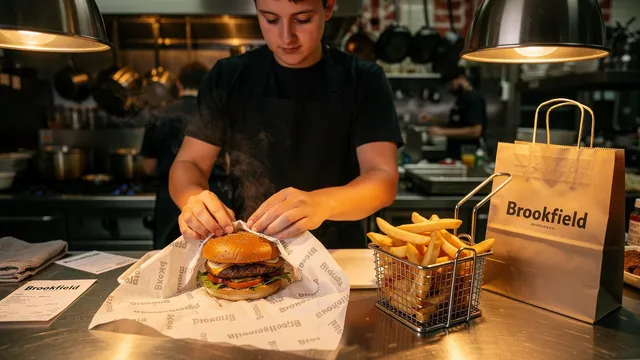
Fast Food Packaging Innovation: Speed, Quality, and Sustainability
Technical guide to fast food paper packaging. Greaseproof, waxed wraps, and printed bags that maintain food quality, enable speed, and meet sustainability demands.
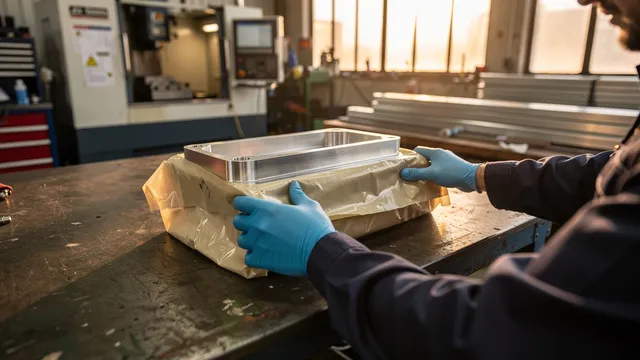
Industrial Anti-Corrosion VCI Papers: Complete Metal Protection Guide
Technical guide to VCI (Vapour Corrosion Inhibitor) papers for metal protection. Prevent rust during storage and shipping with specification guidance and ROI analysis.

Luxury Cosmetics Packaging: Mould-Inhibited Paper for Brand Protection
How mould-inhibited paper packaging prevents cosmetic damage, reduces returns, and protects brand reputation. Technical guide for cosmetics and personal care brands.
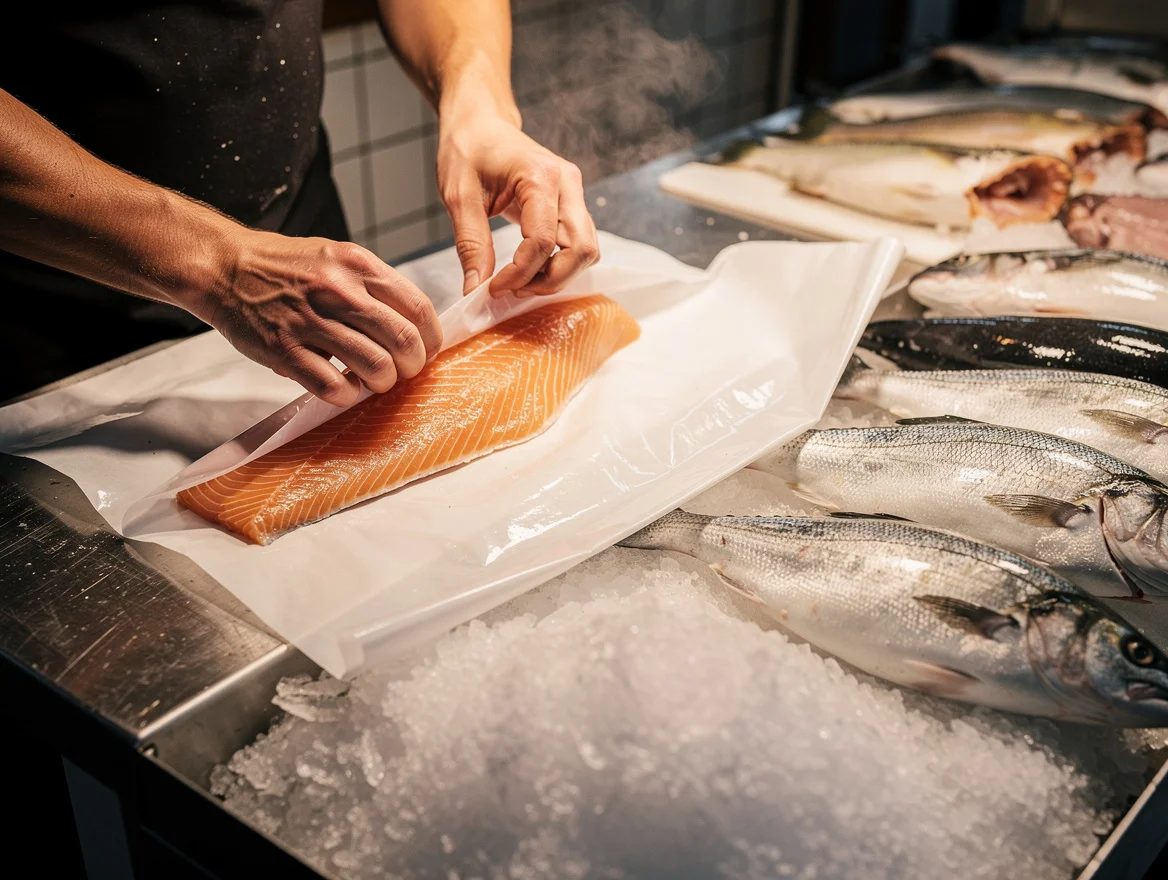
Fish and Butcher Shop Packaging: The Complete Guide to Specialty Wrapping Papers
Expert guide to fish and butcher paper. Wet-strength papers, bonewrap, greaseproof, and waxed kraft for clean, professional wet-protein handling.

Retail Brand Building with Custom Tissue Paper
How custom printed tissue paper builds brand through unboxing experiences. Specification guide, design considerations, and ROI for retail and e-commerce businesses.